
A Smart Upgrade for Everyday Drinking Water with Cloud RO & Filter Packs
A Smart Upgrade for Everyday Drinking Water with Cloud RO & Filter Packs
Posted on : July 23 2025 Posted by : Isabella Luis Posted in : Health

Once you start reading about what can be hiding in tap water such as PFAS, lead, and micro‑contaminants, it becomes very hard to unsee it.
Once you start reading about what can be hiding in tap water such as PFAS, lead, and micro‑contaminants, it becomes very hard to unsee it. Pitcher filters begin to feel like a band-aid, bottled water feels wasteful and expensive, and most traditional RO systems look like something from a 90s lab experiment.
Cloud RO tries to answer all of that in one shot by providing you with serious filtration, clean design, and smart tracking services that are packaged as an under‑sink system you can live with for years. Its companion product is the Cloud replacement filters that efficiently turn that system into something you can maintain without crawling under the sink or guessing when it’s time to change cartridges.
In this blog, we’ll treat both as products on a shelf and unpack what they actually offer. The Cloud RO is the brain and body of your filtration setup, while the Cloud Replacement Filters are the consumables that keep performance high with minimal hassle
Cloud RO: A Design-Led Take on Reverse Osmosis
At its core, Cloud RO is an under‑sink reverse osmosis system designed to solve three common complaints about RO:
- Not removing enough of the right contaminants.
- Wasting too much water and trickling slowly.
- Being ugly and annoying to maintain.
On the performance side, Cloud RO uses a multi‑stage process that is composed of sediment, activated carbon, RO membrane and remineralization, and these are the processes that are used to strip out a wide range of contaminants and then restore a balanced mineral profile. Instead of leaving the water flat and acidic, the final stage adds back minerals like calcium, magnesium and potassium so the water tastes round and alive instead of dull.
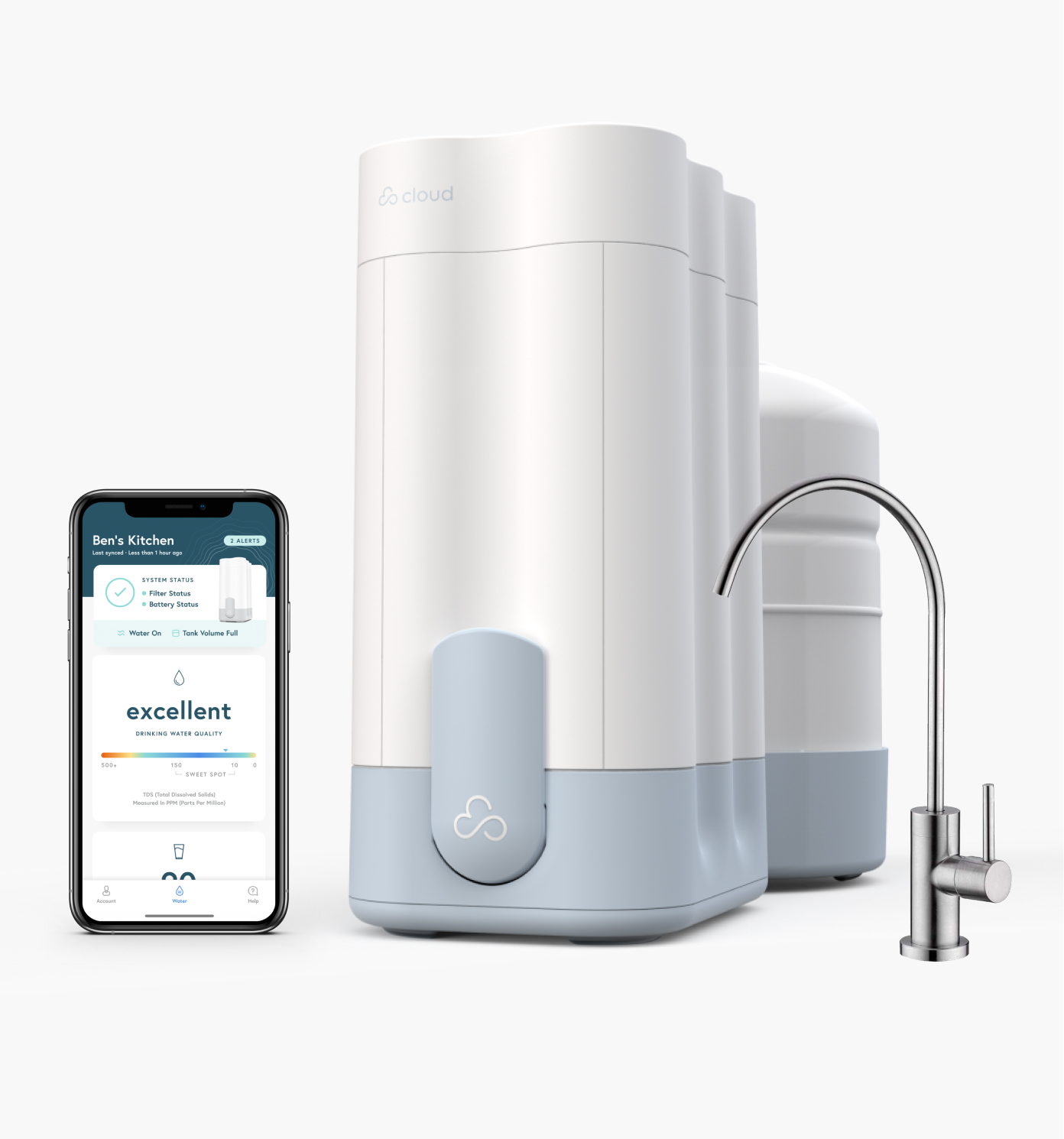
Another key differentiator is efficiency and flow. Cloud RO is engineered around a very low waste ratio compared with older RO units, and is designed to push water at a noticeably stronger flow than many tankless systems. In practice, that means you’re not standing at the sink watching a glass take forever to fill or feeling guilty about multiple gallons of waste water for every gallon you drink.
You can put it simply in this way that this is not a clunky, old‑school under‑sink rig, but it’s built to be something you’re happy to live with, not just tolerate.
Design, Installation and Everyday Use
Cloud’s design is surprisingly compact considering what it does. The main unit and its small tank live under your kitchen sink, and you get a dedicated drinking‑water faucet up top in a finish that matches your hardware. A couple of practical details make it stand out:
- No outlet under the sink is still fine! Cloud runs on a long‑life battery pack rather than requiring a dedicated electrical outlet, and that means you don’t have to rewire your kitchen just to install it. Water pressure and internal pumps do most of the work, and the battery supports the “smart” side through sensors and connectivity.
- Install is genuinely DIY‑friendly. Most setups fall into a 30–60 minute range if you’re comfortable with basic tools. You mount the faucet, connect the cold‑water feed, attach a small drain line, and place the unit and tank. Compared to traditional multi‑canister systems with a tangle of hoses, this has been intentionally simplified.
If you’re renting, you may need landlord permission to drill the faucet hole, but the footprint and plumbing changes are minimal, especially compared to large, power‑hungry systems.
Resultantly, day to day, living with Cloud RO feels a bit like having a quiet appliance you forget about, until you pour a glass of water or make coffee and notice the taste. You can hook it to your fridge or ice maker, and the stronger line pressure compared with many older systems makes that much more practical.
The Cloud App and Smart Monitoring for Less Guesswork and More Transparency
A big part of Cloud’s promise is that it’s kind of nerdy on purpose, as behind the scenes, smart sensors are constantly measuring things like input and output water quality, system performance and volume used, then pushing that data into the Cloud app.
What that means for you is that you can see what’s going on such as trends in water usage and basic quality metrics, rather than just trusting a sticker on a cartridge. You don’t have to rely on sticky notes or generic timelines for maintenance, as filters aren’t changed on a blind every six months schedule. The system recommends replacements based on your actual usage and water conditions. You also get a clear sense of how much bottled water you’re displacing, which is oddly motivating if you care about reducing plastic.
This is where Cloud RO feels notably different from a standard RO. Instead of being a black box under the sink, it becomes a small, data‑rich device you can actually manage and understand.
Cloud Replacement Filters to Make Maintenance Easy
If Cloud RO is the engine, the Cloud replacement filters are the fuel, and the way they’re designed is a big part of the appeal.
Traditional RO systems typically use several individual cartridges mounted under the sink. Changing them means lying on your back, twisting canisters, hoping you don’t crack a brittle fitting, and then checking for leaks. Cloud flips that model completely, as all of the filters live inside a single encapsulated magazine module. When it’s time to change them, you pop the magazine off the base unit and do the swap comfortably on your countertop instead of upside down in a cupboard.
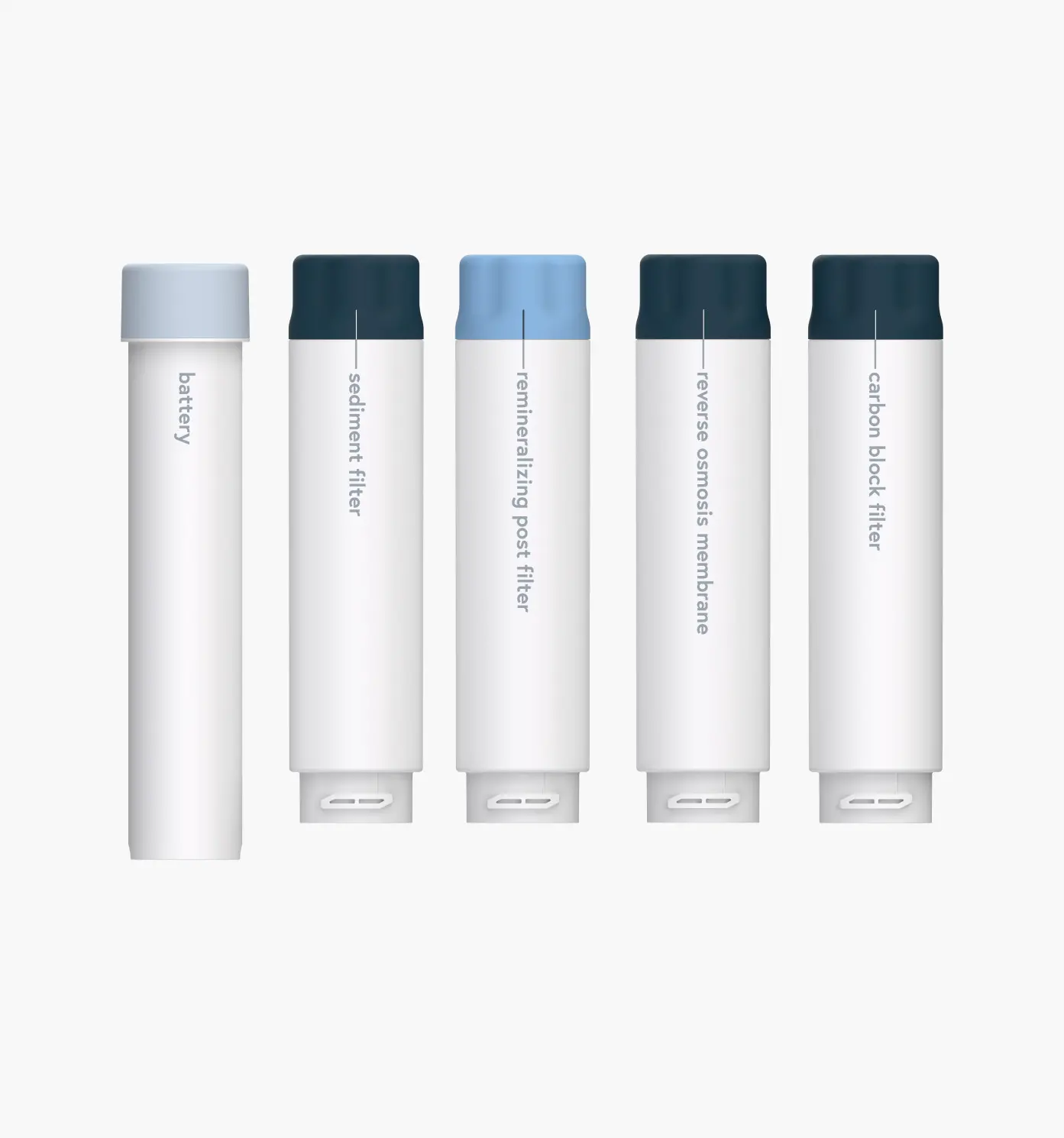
Inside that magazine you still have the stages you’d expect that are sediment, activated carbon, a high‑rejection RO membrane, and a remineralization stage that puts the good stuff back in. That last stage is what keeps Cloud’s water tasting clean but not lifeless.
Because the core unit is constantly tracking throughput and quality, the app can tell you when performance is actually dropping instead of relying purely on a calendar reminder. For many households, that means you’re not over‑replacing filters just in case, but you’re also not stretching them beyond the point where they’re doing their job.
One more practical benefit is that once Cloud RO is installed, you don’t touch your plumbing again just to change filters. The incoming water automatically shuts off when you remove the magazine, and you’re not disconnecting any lines to do a swap. That reduces the risk of leaks and makes the whole ownership experience feel more like replacing a printer cartridge than servicing a small machine.
Cloud sells its replacement filters as dedicated packs for the system, often with the option to subscribe so that a new magazine, and a fresh battery pack when needed, arrives around the time the app recommends a change. You are in a proprietary ecosystem, but you’re also getting components designed exactly for this device.
Clean water is one of those things we tend to put off dealing with because the good enough option of tap, pitcher, and maybe bottled is already there. Cloud RO and its replacement filters are built for the moment you decide good enough isn’t really good enough anymore.
If that sounds like the direction you want your home to move in, the next step is simple. You should explore the Cloud RO system and its replacement filters through your affiliate links, run the numbers against what you’re currently spending on bottled water or less efficient systems, and decide whether this is the year you upgrade your tap to something you can genuinely trust.
You May Also Like

The Ultimate Guide To Choosing The Right Multivitamin For Your Lifestyle
Choosing the right multivitamin can be a daunting task with so many options available, but it’s essential to select a supplement that aligns with your unique lifestyle, age, gender, diet, and activity level. In this guide, we’ll break down the different types of multivitamins and recommend products that best suit your needs, all available on Edobles.
Hydration that Works: A Closer Look at Strike Electrolytes
In hydration, it is not just a matter of consuming water. Whether you spend all your time working and weight training, avoiding the summer heat, or resting after becoming sick, your body needs effective, restorative hydration support.

Elevate Your Adornments And Create Enchanting Tales With Grown Brilliance
Grown Brilliance is an established jewelry icon. It offers a complete package for all things diamonds. Classic or contemporary, they offer a scintillating array of jewelry collections. Including bracelets, necklaces, and earrings.
Preserve Memories in The Unique Way
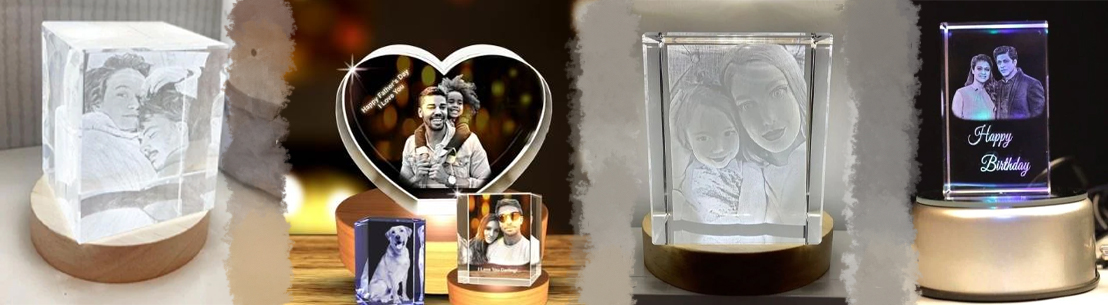
Making memories and keeping them safe is not new to anyone, yet preserving them uniquely and most attractively is.
